








Puerto Rico Transfers Exotic Animals to Dominican Zoo
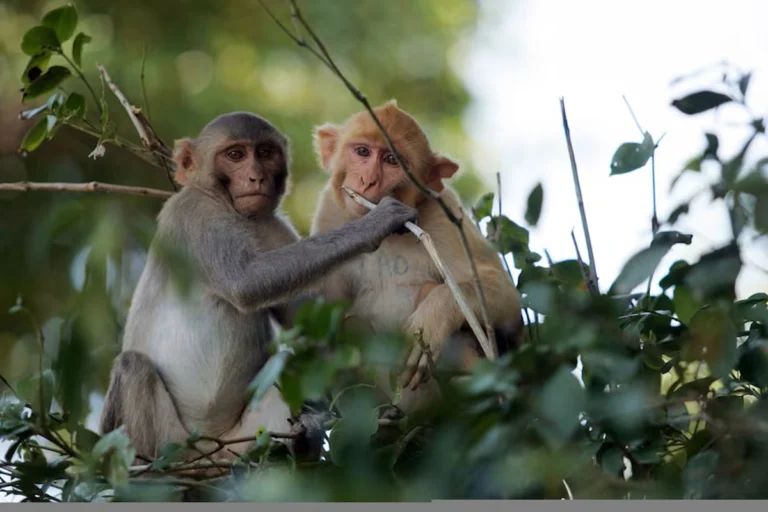
Exotic monkey species. Photo: El Nuevo Dia.
November 30, 2025 Hour: 11:49 am
🔗 Comparte este artículo
The DRNA has captured or received more than 1,000 illegal exotic species.
On Saturday, Puerto Rico’s Natural and Environmental Resources Department (DRNA) announced that it is in the final stages of transferring exotic species to the Dominican Republic’s National Zoological Park.
RELATED:
Costa Rican Endemic Parrots In Threat
National Zoo’s Director Nayib Aude formalized the request in a letter, guaranteeing that the animals would be received and handled according to protocols for the zoo’s role as a rescue center. The first transfer includes six rhesus monkeys, two males and four females, and two caimans, one male.
These species are currently housed at the Cambalache Native Species Rehabilitation and Exotic Species Management Center in Arecibo, Puerto Rico. The DRNA Secretary Waldemar Quiles remarked that the Center’s objective is to provide exotic species with an optimal environment for their development.
In Oct., the DRNA informed that the Dominican zoo offered to help them by housing illegal exotic species in Puerto Rico, including snakes. The transfer is being carried out under strict regulations and with complete transparency.
The text reads, “The Environment Ministry informs that owners of exotic animals must register their specimens within three months from November 20, 2025. Registration is mandatory to ensure responsible handling and environmental protection.”
Angel Atienza, director of the Cambalache Center and Ranger Corps Lieutenant, has played a “leading role” in finding suitable spaces for these species, despite the damage the Center suffered from Hurricane Maria in 2017.
Rehabilitation work at the Center began in August 2024, following specifications from the U.S. Federal Emergency Management Agency (FEMA), to restore the facilities affected by the natural disaster.
In less than five months, the DRNA has captured or received more than 1,000 exotic species, including birds, mammals, reptiles, 48 gliding squirrels, 144 parrots of four different species, and more than 800 boas and pythons, reflecting the growing illegal market.
teleSUR: JP
Source: Primera Hora – El Nuevo Dia